Garden Clearance in Leyton
Garden clearance in Leyton means clearing away green waste, unwanted outdoor clutter and tired materials so the space can be used properly again. Our service focuses on practical removal work for overgrown borders, piles of cuttings, broken planters, old timber, soil, hedge trimmings and other garden contents that have built up over time. Whether a property needs a one-off tidy-up or a fuller clearance before landscaping, we handle the lifting, sorting and removal with care.
We work with domestic gardens, shared outdoor areas and rental properties that need an orderly finish without the hassle of arranging skips or multiple trips to a tip. In many cases, the job is less about neatness alone and more about making the outdoor area safe, accessible and ready for the next stage. If you are comparing options, it helps to think about what needs removing, how much access there is and whether any items should be kept separate for reuse, composting or disposal.
Request a quotation when you are ready, or use the sections below to see how the different parts of our clearance service fit together.
Garden waste removal and green materials
Green waste is often the main part of a garden clearance, especially after pruning, hedge work or a long period without maintenance. We can remove loose cuttings, branches, leaves, weeds, grass and similar organic materials, keeping the work focused on efficient collection rather than on-site sorting that would slow everything down. Where a garden contains mixed waste, we separate what can be handled as garden material from items that belong in general disposal streams.
This is useful when the space contains a mixture of fresh trimmings and older debris. A clear plan helps us deal with the different materials in the right order, which is especially important when thorny growth, damp waste or bulky branches are involved. If you are unsure what to include, a short list of the main items is usually enough to guide a sensible quotation and an appropriate collection plan.
What is commonly removed
Typical garden waste clearance can include hedge cuttings, branch bundles, roots, soil spoil, matted weeds, dead plants and bags of organic waste left after seasonal tidying. We can also deal with non-green items that often appear alongside them, such as worn pots, broken trellis, damaged garden furniture, old edging or dismantled raised-bed sections. The aim is to remove the clutter without turning the job into a confusing mixture of unrelated tasks.
Outdoor clutter, sheds and hard landscaping waste
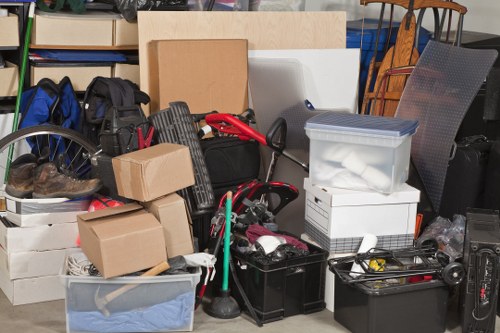
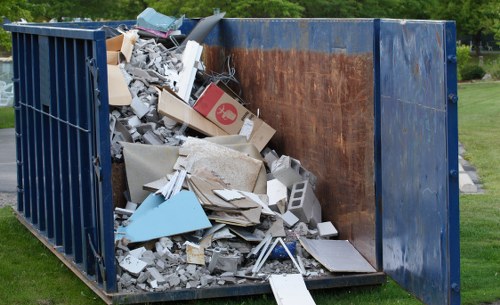
Many clearances involve more than plant waste. Gardens often contain long-standing clutter such as broken tools, rusted fixtures, cracked containers, spare fencing, plant supports, ornaments and disused storage items. We can remove that mixed outdoor waste as part of a broader clearance, which helps create a more complete result than simply taking away the obvious green material. When needed, we also clear light hard-landscaping leftovers such as timber offcuts, paving fragments and rubble from small garden works.
For customers who are preparing a property for letting, sale or redesign, this mixed approach can be especially useful. It avoids the common problem of the obvious debris going first while smaller awkward pieces are left behind. That said, different materials may need different handling, so it is worth describing the contents clearly. A concise inventory is often more useful than a long explanation, and it helps ensure the right vehicle, labour and disposal method are chosen.
Our approach stays practical: we remove what has been agreed, leave the area swept as neatly as the work allows, and avoid unnecessary disturbance to plants or fixed features that are staying in place. If there are fragile sections, narrow access points or items that must remain untouched, these details are best mentioned before booking. Clear instructions make mixed clearances smoother and reduce the chance of sorting delays on the day.
Full garden clearance for overgrown spaces

Some gardens need more than a tidy collection of loose waste. Overgrown spaces may contain dense bramble, collapsed borders, piles of cut branches, hidden debris and areas that have been difficult to use for some time. In those cases, a fuller garden clearance is the better option because it focuses on bringing the whole outdoor area back into a manageable state. We can clear away accumulated material in stages so the site becomes accessible again.
This type of work often suits neglected side returns, rear gardens that have become blocked or outdoor spaces that need to be handed over in a cleaner condition. It can also help when the area needs to be opened up before any further garden work starts. The task is usually easiest when there is a clear boundary between items to be removed and anything living or fixed that should remain. Where necessary, we can work around beds, trees and retained features rather than cutting through everything indiscriminately.
- Overgrown cuttings and prunings
- Disused outdoor storage items
- Loose debris after garden work
- Small quantities of soil or rubble
- Mixed rubbish from neglected corners
Preparing a quotation and arranging the visit
A clear quotation usually depends on the volume of waste, the type of materials, the access route and whether the clearance involves easy collection or more labour-intensive removal from narrow or awkward areas. If you can describe the main items and the general layout of the garden, we can usually give a more accurate idea of the work involved. Photographs are helpful when the space is large, cluttered or partly concealed by growth, because they show the scale far better than a short description alone.
It also helps to mention if any items are stacked at the back of the garden, stored in a shed, hidden behind locked gates or mixed with materials that need separate handling. Where access is straightforward, the work can be planned more efficiently; where it is restricted, a little extra detail avoids surprises. If you are gathering options, send a brief description first and include anything that is unusually heavy, damp, sharp or fragile so it can be considered properly.
When you are ready to move ahead, contact us with the basic details and we will take it from there. A well-described enquiry usually leads to a cleaner, more relevant response than a vague one, and it makes it easier to match the right level of clearance work to the site.
Garden clearance for homes, rentals and managed properties

Different property types need slightly different handling, even when the basic task is still garden clearance. A private home may need a single tidy-up after pruning or seasonal work, while a rental or managed property may need a broader clearance that deals with items left behind, waste from previous work or outdoor clutter affecting presentation. We keep the removal process focused on the agreed items and the practical condition of the site.
Where there are multiple stakeholders, it can be helpful to know exactly what should stay and what should go before the work begins. This is particularly relevant for shared access paths, common outdoor areas and properties with planted features that must not be disturbed. We can work to the outline you provide and keep the removal centred on the clearance itself rather than on unrelated tasks. If there is a preferred order for certain materials, mention that when you request the quote.
The main advantage of a managed clearance is consistency: once the plan is clear, the removal can be carried out without repeated checks about every separate item. That keeps the job efficient and reduces the chance of overlooked waste. It also means the end result is easier to assess, whether the purpose is routine maintenance, turnover preparation or a more substantial reset of the outdoor space.
About Leyton
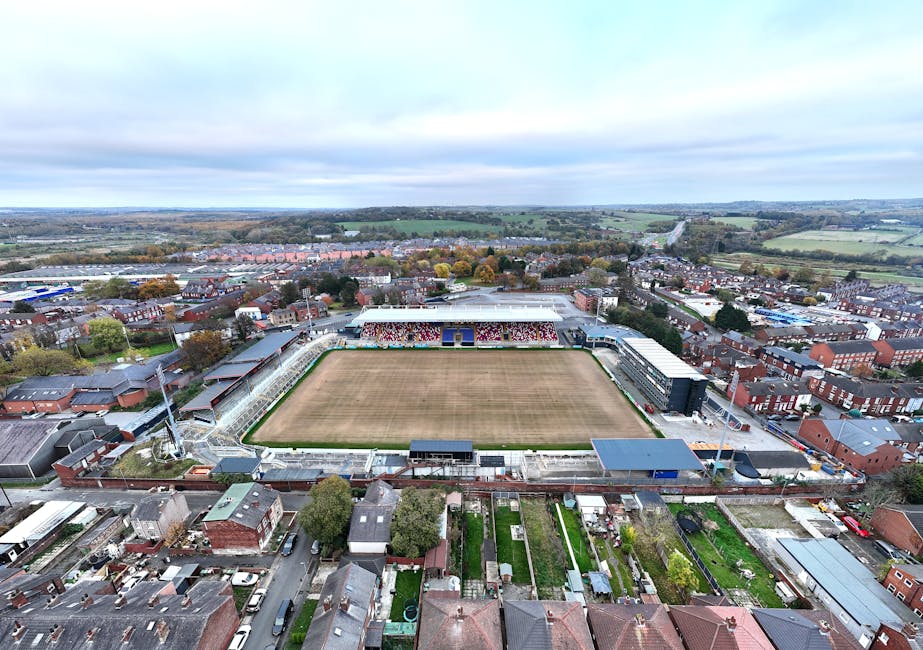
Leyton is a district in east London, forming part of the London Borough of Waltham Forest and sitting between Stratford, Walthamstow and the wider Lea Valley corridor. Its street pattern reflects a long history of suburban growth, with older routes, terraced housing and later redevelopment layered through the area. Francis Road is one of the better-known local streets, notable for independent shops and a more pedestrian-friendly feel than many surrounding roads, while Leyton High Road remains a central line of movement and trade. The district also connects to larger London networks through Leyton Underground station on the Central line, which helps place it firmly within the capital’s wider transport map. Green space is an important part of the locality too: Coronation Gardens offers a formal park setting, while nearby Hackney Marshes and the waterways of the Lea Valley contribute a more open landscape at the edge of the urban fabric. Leyton has also been shaped by industrial and sporting history, with the old Leyton Orient ground and broader north-east London football culture forming part of its public identity. At the same time, the area has seen new housing, changing retail patterns and steady redevelopment, so its character is a mix of older residential streets, civic amenities and evolving commercial corners. This blend of enclosed plots, backland spaces, shared access ways and public greenery is part of what gives the district its varied urban texture and makes it visually different from neighbouring parts of London.
Furniture, timber and bulky outdoor items

Although the main focus is garden clearance, outdoor areas often contain bulky items that are not strictly green waste. These may include broken chairs, damaged tables, shelving, planters, timber offcuts, old compost bins or other pieces that have been left outside for convenience. We can include suitable bulky items as part of the wider clearance, provided they are listed clearly and fit the agreed collection plan. That avoids leaving awkward remnants behind once the obvious garden waste has gone.
This part of the work is especially useful where old outdoor furniture or tired timber is mixed with plant waste and cannot be easily dealt with separately. The key is to identify which materials are to be removed and which are staying, because that affects both the labour needed and the disposal method. If a shed, lean-to or side storage area contains several different waste types, a simple grouped description is usually enough to work from.
For clearer planning, it helps to think in broad categories: green waste, bulky outdoor items and anything that needs special care because of weight, condition or position. That approach keeps the quotation practical and makes it easier to decide whether the job needs a light clearance or a fuller removal visit. When you are ready, a short note with the main items is often the quickest way to move forward.
How the work is organised on site
Clearance work is usually most efficient when items are grouped before collection begins. That does not mean the customer has to sort everything into perfect piles, but it does help if the main waste is visible and the agreed items are easy to identify. We can then remove the material in a logical order, starting with the heaviest or most obstructive pieces and finishing with the smaller debris that remains once the larger items have gone.
Where a garden is tight, sloped or partly concealed by overgrowth, the handling process matters as much as the final load. Items may need to be moved carefully through narrow access, carried from a back path or separated where different materials have been mixed together. In those circumstances, the clearance is as much about sensible movement and safe handling as it is about simple collection. A brief note about access conditions helps the job run more smoothly.
If you are preparing the space yourself, you do not need to overthink the arrangement. Just keep the items to be removed together where possible and point out anything that should not be disturbed. We can then deal with the practical side of the work in a tidy, methodical way. That is often the best balance between customer preparation and hands-on removal.
Recycling, disposal and practical finishing touches
After collection, the waste needs to be handled through the correct disposal routes. Garden waste, reusable materials and mixed rubbish do not always follow the same path, so it is important that the clearance is organised with disposal in mind from the start. We aim to separate suitable material where practical and direct items into the right stream, rather than treating everything as identical waste. That is a sensible part of responsible clearance work.
Customers often want the outdoor area left in a usable state once the main waste has been removed, and that usually means a final sweep or a careful check for loose fragments. While a garden clearance is not the same as a full landscaping service, a neat finish helps the area feel properly cleared rather than just emptied. If there are items that cannot be moved without specialist input, we will flag that during the planning stage rather than leaving a half-finished result.
When comparing options, look for a service that matches the real condition of the garden rather than the ideal version of it. Some spaces only need a simple collection, while others need mixed removal, overgrowth handling and a more patient approach to access. Ask for a quote once you know the main waste types and the general scope, and you will be in a much better position to choose the right clearance plan.
Seasonal clearances, tidy-ups and one-off jobs
Garden clearance is often seasonal, but it is not limited to spring and autumn. It can be useful after storms, following a pruning project, before family events or whenever accumulated waste starts to make the space harder to use. A one-off clearance can reset the garden without committing to ongoing work, which is helpful for customers who mainly need a single practical intervention rather than regular maintenance.
Because outdoor waste builds up in different ways, the right scope can vary from one property to the next. One garden may need several bags of leaves and cuttings removed; another may have heavier waste, old fixtures and a more awkward access route. By keeping the service focused on the actual contents of the space, we can avoid unnecessary work and concentrate on a result that reflects the condition of the garden as it stands.
Useful points to include when you enquire: the type of waste, the approximate amount, whether anything is stored in a shed or outbuilding, and whether there are access restrictions. Those few details are usually enough to build a sensible quote without turning the process into paperwork.