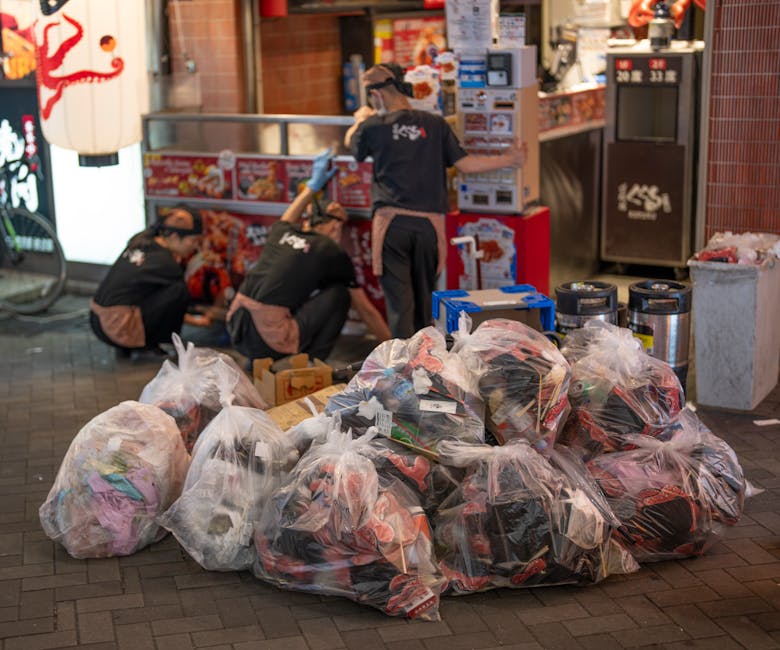
Leyton business rubbish removal insider tips for shops
If you run a shop in Leyton, rubbish has a habit of building up in all the awkward places: behind stock cages, under the till counter, in the back corridor, and somehow in that one corner nobody wants to own. The right Leyton business rubbish removal approach is not just about getting rid of waste. It is about keeping your shop tidy, safe, presentable, and easy to work in without turning every clearance into a mini crisis.
These insider tips are written for real shop owners, managers, and supervisors who need straightforward advice. You will find out how shop waste removal works, what to plan for, where businesses often lose time or money, and how to stay on the sensible side of compliance. There is a practical angle throughout, because let's face it, a tidy shop floor is nice, but a tidy back-of-house area is what keeps the day moving.
For a broader service overview, it can also help to look at the site's business waste removal service and the related waste removal page when you are comparing what kind of clearance support you actually need.
Table of Contents
- Why this matters for shops in Leyton
- How the process works
- Key benefits and practical advantages
- Who it is for and when it makes sense
- Step-by-step guidance
- Expert tips for better results
- Common mistakes to avoid
- Tools, resources and recommendations
- Law, compliance and best practice
- Options and comparison table
- Real-world example
- Practical checklist
- Conclusion
- Frequently asked questions
Why Leyton business rubbish removal insider tips for shops Matters
Shop waste is different from household rubbish. It is more frequent, more varied, and usually more disruptive when it piles up. One day it is cardboard and shrink wrap; the next it is damaged display units, old shelving, broken hangers, packaging waste, or a pile of end-of-line stock that has nowhere else to go. In a busy area like Leyton, where shops often work in tight spaces and fast turnaround matters, rubbish handling becomes part of daily operations rather than a background task.
The reason this matters so much is simple. Waste affects how a shop feels to customers and how it functions for staff. A cluttered stockroom slows restocking. A blocked rear entrance can make deliveries awkward. And if waste is left too long, it can start to smell, attract pests, or create trip hazards. None of that sounds dramatic until you are trying to serve customers at 10:15 on a Saturday morning and someone has to step over a broken flat-pack box to get to the till. Not ideal.
There is also the reputation angle. Customers notice cleanliness, even if they do not say it out loud. A neat shop suggests order, care, and professionalism. Messy waste storage suggests the opposite. That does not mean every shop needs to look like a showroom all the time. It just means rubbish should be managed in a way that supports the business rather than fighting it.
For shops that produce mixed waste or need flexible collection support, the service information on business waste removal is a useful starting point, while the company's recycling and sustainability approach gives a better sense of how sorting and diversion from landfill may be handled in practice.
How Leyton business rubbish removal insider tips for shops Works
In practical terms, shop rubbish removal usually follows a simple flow: identify the waste, separate what should stay or be recycled, arrange collection, and clear the area safely. The tricky part is not the collection itself. The tricky part is preparation. Shops that prepare well tend to get faster, tidier clearances with fewer surprises on the day.
Most businesses start by listing the main waste streams they produce. That might include cardboard, plastics, broken fixtures, old signage, unwanted stock, furniture, packaging, and general mixed waste. If your shop has recently refitted, moved stockrooms, or changed product ranges, the waste mix can shift quite quickly. One week you are throwing out cardboard sleeves; the next you are dealing with a dead display cabinet that nobody wants to drag through the front door. Classic retail chaos, really.
From there, a practical clearance usually involves:
- Checking what needs removing and what should stay on site.
- Grouping materials so they are easier to lift and sort.
- Making access safe through the shop, stockroom, or rear entrance.
- Booking the clearance at a time that causes the least disruption.
- Confirming how the waste will be handled, sorted, or recycled.
If the waste is mostly fixed items, old counters, shelving, or bulky shop furniture, it may be closer to a clearance job than a routine waste pickup. In those cases, a related page such as furniture disposal can be useful, especially if the shop is replacing display units or office-style furniture in the back room. For larger mixed clearances, some businesses also explore office clearance because many shops have hybrid spaces with desks, filing, and admin areas behind the retail floor.
Key Benefits and Practical Advantages
When shop rubbish is managed properly, the benefits show up in small but valuable ways. The obvious one is space. The less obvious one is mental headroom. Staff work better when they are not constantly moving waste out of the way or wondering where to put another stack of packaging. That sounds minor, but it adds up across a week.
Here are the main advantages shop owners usually notice:
- Better customer presentation: tidy entrances, cleaner stock areas, and less clutter visible from the front of shop.
- Safer working conditions: fewer trip hazards, less blockage around exits, and more controlled movement in tight spaces.
- Faster stock handling: staff can unpack, re-stock, and reset displays without moving piles of waste first.
- Less downtime: when collections are planned well, they do not interrupt trading as much.
- More predictable costs: clear descriptions of waste and access conditions reduce nasty surprises.
There is also a subtle customer-service benefit. When staff are not fighting the clutter, they tend to be calmer and more focused. You can hear it in the shop, actually: less dragging, less apologising, fewer "just give me a second" moments. The whole place feels lighter.
For businesses comparing value and service structure, the site's pricing and quotes information can help set expectations before a collection is arranged. And if the job involves mixed waste rather than just one category, waste removal is the wider service overview to look at.
Who This Is For and When It Makes Sense
This kind of clearance advice is for any shop that produces more than a small bag or two of rubbish a day. That includes convenience stores, clothing boutiques, salons, phone shops, takeaway counters with retail add-ons, gift shops, and small independent stores with stockrooms squeezed into the back. If you are storing waste in a corner because "we'll deal with it later," this is probably for you.
It also makes sense in specific situations:
- after a seasonal refresh or end-of-season stock change
- when old shelving, counters, or display stands are being replaced
- after a refit, repaint, or small renovation
- when stock has been damaged, returned, or written off
- if the back area has become too cramped for safe working
- when a landlord, head office, or compliance check is coming up
To be fair, some shops only need occasional help, not a standing arrangement. That is fine. Others generate a steady stream of packaging and bulky items and benefit from a more regular plan. The right answer depends on how the business operates, not on a one-size-fits-all rule.
If your shop also handles items from nearby premises, storage rooms, or mixed-use spaces, the related home clearance and flat clearance pages can be useful as adjacent references for clearance style, access needs, and bulk handling, even though the setting is different.
Step-by-Step Guidance
Here is the cleanest way to organise shop rubbish removal without creating extra work for yourself.
- Walk the site properly. Start at the front of shop and move through the back areas. Look at what is actually there, not what you think is there. Shops often hide more waste than anyone expects.
- Sort by category. Separate cardboard, plastics, reusable items, general waste, and bulky fixtures. If something can be recycled or reused, deal with that first.
- Measure the awkward stuff. Large cabinets, shelves, or display units are where delays happen. Door widths, stair turns, and narrow corridors matter more than people realise.
- Keep the route clear. Make sure waste can be taken out without crossing customer areas where possible. If it must pass through the shop, do it at a quiet time.
- Protect floors and walls if needed. A heavy unit dragged across a tight shop can scuff paint and flooring fast. Nobody likes that awkward silence when someone notices a fresh mark.
- Choose the right collection window. Early morning, before opening, or just after closing often works best. Midday collections can be fine too, but only if the shop layout allows it.
- Confirm what is being taken. A clear list avoids misunderstandings. Mixed loads are manageable, but everyone should know what is on site before the team arrives.
- Review what remains. After the removal, check for stray packaging, fixings, and small debris. The job is not finished until the space is usable again.
A lot of owners skip the measurement step and pay for it later in time. Honestly, that is one of the easiest mistakes to avoid. A five-minute check with a tape measure can save a half-hour headache.
Expert Tips for Better Results
Here are the practical insider tips that make shop waste removal run more smoothly in Leyton and similar busy London settings.
1. Treat the stockroom like a working space, not a storage dump
It is tempting to use the back room as a waiting area for everything broken, awkward, or unsold. But once waste starts to dominate the space, productivity drops. Keep a clearly marked temporary zone for collection items, and do not let it spread.
2. Separate high-volume packaging early
Cardboard and shrink wrap build up faster than most people expect. If you compact cardboard regularly and tie plastics neatly, the final clearance becomes much simpler. This is one of those boring habits that pays off quietly.
3. Watch the timing around deliveries
If a collection lands just before a delivery window, things get messy fast. Try to avoid those overlaps. In retail, timing is not glamorous, but it is everything.
4. Keep a note of repeating waste problems
If the same type of waste appears every week, ask why. Is the packaging too bulky? Are displays being replaced too often? Is stock control creating avoidable waste? Sometimes the rubbish problem is actually an operations problem wearing a disguise.
5. Make one person responsible
Not forever, and not as punishment. Just give one team member the job of confirming what is ready for removal. When several people assume someone else has sorted it, waste tends to sit there until it becomes everyone's problem. Humans, eh.
For shops that store old furniture, mixed fittings, or display stock off the sales floor, the dedicated furniture clearance page may be especially relevant. If the waste is a broader mix of commercial items, business waste removal remains the most direct fit.
Common Mistakes to Avoid
Most waste-removal problems are not dramatic. They are just small avoidable errors that snowball. Here are the ones seen most often.
- Leaving everything until the last minute. This leads to rushed decisions and awkward access on the day.
- Mixing recyclable and non-recyclable items without thinking. That can make sorting slower and less efficient.
- Forgetting about access. A busy front entrance, narrow stairwell, or locked rear gate can derail the job.
- Ignoring bulky fixtures. Shelving and counters are often the items that need the most planning.
- Assuming all waste is the same. Different materials and item types may need different handling.
- Not checking what must be kept. It sounds obvious, but misplaced paperwork, tools, or fixtures do get mixed in with rubbish.
One small but common issue: shops sometimes underestimate how much loose packaging is trapped under shelving, behind tills, or in the corner where old boxes "temporarily" live. If you only eyeball the obvious waste, you are almost always undercounting.
Tools, Resources and Recommendations
You do not need fancy equipment to manage shop rubbish better. You do need a few practical basics and a bit of consistency.
| Tool or resource | Why it helps | Best use case |
|---|---|---|
| Heavy-duty sacks or bins | Reduce loose waste and keep areas tidier | Daily packaging and mixed rubbish |
| Labels or coloured tape | Makes sorting quicker for staff | Separating cardboard, plastics, and general waste |
| Tape measure | Prevents access issues with bulky items | Display units, shelving, and counters |
| Checklist sheet | Keeps everyone aligned on what is being removed | Refits, clear-outs, and end-of-season jobs |
| Camera phone | Useful for recording what is on site before collection | Complex or mixed waste loads |
It also helps to know which service page best matches the job. If the issue is mainly commercial rubbish, go straight to business waste removal. If the job is a bulk internal clear-out with furniture, fixtures, or stockroom items, the site's office clearance and furniture disposal pages can help you understand the kind of work involved. For sustainability-minded businesses, recycling and sustainability is worth reading before you book anything.
Law, Compliance, Standards, or Best Practice
Shop owners do not need to be legal experts to manage rubbish properly, but they do need a sensible understanding of their responsibilities. In the UK, businesses are generally expected to handle waste carefully, use appropriate carriers, and avoid letting rubbish create hazards or nuisance. The exact detail depends on the waste type and situation, so it is best to keep things cautious and documented rather than guessing.
Good practice usually means the following:
- keeping waste stored safely and away from customer traffic where possible
- separating recyclable materials where practical
- using a provider that can explain how waste is handled
- making sure waste does not block exits, corridors, or shared access routes
- being careful with items that may contain sharp edges, glass, or heavy components
If a shop deals with sharp fittings, damaged furniture, or items that need careful lifting, the company's health and safety policy and insurance and safety information are sensible pages to review before booking. That does not replace your own internal risk checks, of course, but it does help build confidence in how the job will be handled.
Best practice also means being honest about the waste. If there is awkward material, broken glass, or potentially contaminated packaging, say so upfront. The job then runs more smoothly, and everyone gets a clearer result. Simple, but surprisingly effective.
Options, Methods, or Comparison Table
Shop owners usually choose between a few common approaches. The best one depends on volume, urgency, and how much disruption you can tolerate.
| Method | Best for | Pros | Trade-offs |
|---|---|---|---|
| Regular small-scale waste handling | Day-to-day packaging and general rubbish | Simple, predictable, easy to build into routines | Can struggle with bulky or sudden waste |
| One-off clearance visit | Refits, stock changes, or accumulations of bulky items | Fast reset, clears a lot in one go | Needs better preparation and access planning |
| Mixed business waste removal | Shops with varied waste streams | Flexible for packaging, fixtures, and general refuse | Sorting matters more to avoid confusion |
| Furniture or fixture disposal | Old cabinets, counters, seating, and display pieces | Good for bulky items and clear-outs | Needs accurate size and access details |
For many shops, the best answer is actually a mix. Routine waste handling keeps things under control, while an occasional larger clearance prevents the stockroom turning into a museum of old cardboard and half-broken fittings. Not glamorous, but sensible.
Case Study or Real-World Example
Consider a small Leyton shop that has been trading steadily for months. The front area is tidy enough, but the back room has started collecting end-of-line stock boxes, flat-pack packing, a damaged display shelf, and a couple of old chairs that were meant to be replaced "next week" three months ago. Customers never see it, the owner says, until the team needs to get to the stock and everyone has to shift a pile of stuff first.
Before arranging removal, the shop walks through the space and separates obvious cardboard from bulky items. Two items turn out to be reusable elsewhere, which saves them from being treated as waste at all. The remaining materials are grouped by size so the collection can happen after closing, when the shop is quiet and access is easier. Because the team measured the cabinet before the collection, there are no surprises with the doorway or corridor. Very refreshing, actually.
The end result is not just a cleaner room. It is better flow behind the counter, faster restocking, and fewer interruptions the next week. That is the hidden value of good rubbish removal for shops: it restores working space, not just floor space.
Practical Checklist
Use this checklist before booking a collection or clearance.
- List all waste items, including bulky fixtures and loose packaging.
- Separate recyclables from general rubbish where practical.
- Check what must stay on site so nothing important is removed by mistake.
- Measure large items and note any tight corners, stairs, or narrow entrances.
- Clear a safe route from the waste area to the exit.
- Choose a time that suits trading hours and deliveries.
- Confirm whether the job is a simple removal or a fuller clearance.
- Review health and safety risks such as glass, sharp edges, or heavy lifting.
- Prepare staff so everyone knows where waste should be placed.
- Do a final sweep once the waste has gone.
If you are dealing with fixtures from a refit or a larger reset, it can also help to compare the job with builders waste clearance, especially where the waste includes renovation debris, broken boards, or mixed construction-style offcuts.
Get a free quote today and see how much you can save.
Conclusion
The smartest Leyton business rubbish removal strategy for shops is rarely the most complicated one. It is the one that keeps waste moving out at the right time, in the right way, with the least disruption to trading. Clear the stockroom before it clogs up. Measure the awkward items before collection day. Keep access routes safe. And do not wait until rubbish becomes part of the decor.
Once you build a simple routine around sorting, timing, and clear communication, waste stops being a nagging problem and becomes just another manageable part of running the shop. That is the goal, really. Not perfection. Just a calmer, cleaner business that feels easier to run on a busy day.
For more about the company behind these services, you can also read the about us page, or get in touch through the contact us page when you are ready to discuss a job in more detail.
A tidy shop has a way of making everything else feel more possible. That is worth something.
Frequently Asked Questions
What counts as business rubbish for a shop?
Business rubbish for a shop usually includes cardboard, packaging, damaged stock, old fittings, broken display items, unwanted furniture, and general refuse created through trading. The exact mix depends on what the shop sells and how often stock changes.
How often should a shop arrange rubbish removal?
That depends on the amount of waste produced. Some shops need regular small clearances, while others only need occasional larger removals after refits, stock changes, or seasonal resets. If waste starts affecting access or presentation, it is probably time.
Is shop rubbish removal different from regular domestic clearance?
Yes. Shops often produce more packaging, bulkier fixtures, and more frequent mixed waste. There is also greater pressure to keep working areas safe and customer-facing spaces neat, so planning matters a bit more.
Can old shop furniture be removed too?
Usually, yes. Old counters, chairs, shelving, and display units are commonly removed as part of a commercial clearance. If furniture is the main issue, the furniture disposal page is the closest fit.
What is the best time to book a shop clearance?
Early morning, after closing, or during a quieter trading period often works best. The right timing depends on access, staff availability, and whether the waste needs to be moved through customer areas.
How do I prepare a shop for rubbish removal?
Sort the waste, measure bulky items, clear a route, and make sure staff know what is being taken. A quick walk-through before the collection saves time and reduces confusion on the day.
What happens if my shop waste includes mixed materials?
Mixed waste can still be handled, but it helps to separate recyclables where practical. Clear information about the waste mix makes the process smoother and can support better sorting decisions.
Do I need to worry about compliance?
Yes, at a sensible level. Shop owners should store waste safely, keep access routes clear, and make sure waste is handled properly. If the waste includes sharp, heavy, or awkward items, extra care is wise.
How can I reduce rubbish in my shop long term?
Improve stock ordering, reduce unnecessary packaging where possible, recycle more consistently, and avoid using the stockroom as a permanent holding bay for unwanted items. Small habits make a real difference over time.
What should I do with leftover stock that cannot be sold?
First, check whether it can be reused, redistributed, or stored elsewhere. If not, it may need to be removed as part of a clearance. The exact treatment depends on the condition of the stock and the business's own internal policy.
How do I choose the right waste removal service for my shop?
Look at the type of waste, how much there is, how quickly it needs to go, and how easy access is. For many shops, the best starting point is the business waste removal service, then branch into more specific options if the job is mainly furniture, fixtures, or renovation waste.
What if my shop is very small and crowded?
That is common, especially in London. The key is to plan access carefully, use compact sorting methods, and avoid building waste piles in customer-facing or high-traffic areas. Small spaces need a bit more discipline, that is all.