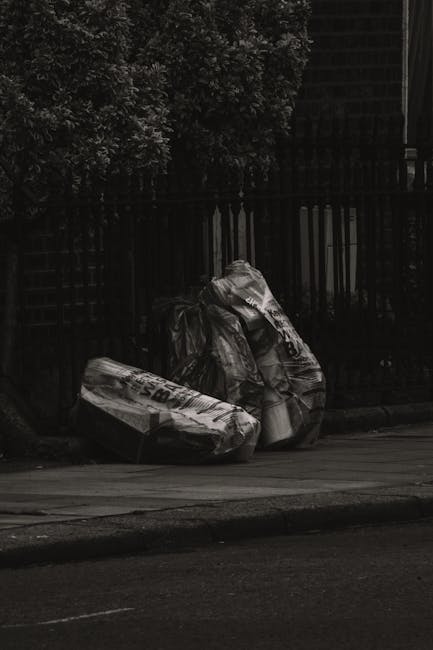
Brisbane Road flats rubbish clearance before and after case study
If you have ever looked at a flat corridor, a communal bin area, or a one-bedroom living room that has slowly turned into a storage room, you will know the feeling: where do you even start? This Brisbane Road flats rubbish clearance before and after case study looks at the kind of clear-up job that changes a property from cramped and chaotic to clean, usable, and far easier to manage. It is a useful read if you are planning a flat clearance, dealing with bulky waste, or trying to understand what a professional rubbish removal visit can actually achieve in a real-world setting.
To be fair, flats create their own challenges. Narrow stairwells, shared entrances, awkward parking, and neighbours who would quite like the hallway to stay passable, thank you very much. The good news is that with a sensible plan, the transformation can be surprisingly quick. In this article, we break down what happened before the clearance, what the work involved, what changed afterwards, and what you can take from the process if you are facing a similar situation.
We will also cover practical steps, common mistakes, compliance considerations, and the sort of decisions that help a clearance go smoothly. If you are comparing services, you may also find it useful to review flat clearance, waste removal, and recycling and sustainability for a broader view of how professional clearance work is typically handled.
Table of Contents
- Why Brisbane Road flats rubbish clearance before and after case study matters
- How Brisbane Road flats rubbish clearance before and after case study works
- Key benefits and practical advantages
- Who this is for and when it makes sense
- Step-by-step guidance
- Expert tips for better results
- Common mistakes to avoid
- Tools, resources and recommendations
- Law, compliance, standards, or best practice
- Options, methods, or comparison table
- Case study or real-world example
- Practical checklist
- Conclusion
- Frequently asked questions
Why Brisbane Road flats rubbish clearance before and after case study Matters
A before-and-after case study is more than a tidy photo moment. It shows the actual difference between a flat that is living under clutter and one that feels lighter, safer, and easier to maintain. On Brisbane Road, where flats can be compact and access can be tricky, rubbish clearance is often about restoring function as much as appearance.
That matters for several reasons. First, clutter tends to spread. A few broken chairs, a mattress leaning in the corner, and a stack of mixed bags can quickly take over a room. Second, communal spaces can suffer too. A hallway blocked by old furniture or renovation offcuts can create inconvenience for everyone in the building. And third, the emotional side is real. People often feel embarrassed or overwhelmed before they even pick up the phone.
There is also a practical landlord and letting-agency angle. A clean flat photographs better, lets better, and is easier to hand over between occupants. In a property market where presentation counts, rubbish clearance is one of those unglamorous jobs that quietly has a big impact. A strong before-and-after example makes that impact visible.
Expert summary: The real value of a flat clearance case study is not just that the waste is gone. It shows how access, time, safety, and usability improve when rubbish is removed properly, sorted sensibly, and handled with the right equipment.
How Brisbane Road flats rubbish clearance before and after case study Works
Most flat rubbish clearance jobs follow a similar pattern, even if the details change from property to property. The key is to treat the job as a process, not a rushed lift-and-load. That is especially true in flats, where every stair, doorway, and shared entrance can affect how the clearance runs.
Typical stages of a flat rubbish clearance
- Initial assessment: The team reviews what needs removing, checks access, and identifies any bulky or awkward items.
- Sorting and separation: Reusable items, recyclable materials, general waste, and any special waste are separated where appropriate.
- Careful removal: Items are moved through the flat and building with attention to walls, floors, and communal areas.
- Loading and transport: Waste is loaded into the vehicle in a way that keeps the site safe and the route tidy.
- Post-clearance sweep: The cleared area is left cleaner and ready for the next step, whether that is cleaning, decorating, letting, or moving in.
The before-and-after part usually becomes obvious at step four. Before: blocked corners, trip hazards, and no real sense of space. After: room to breathe, easier cleaning, and a property that feels usable again. Simple idea, but powerful in practice.
For flat-specific work, services such as flat clearance and furniture disposal are often relevant because flats tend to generate a mix of bulky furniture, bagged rubbish, and small loose items that need careful handling.
Key Benefits and Practical Advantages
Let's break it down plainly. A professional flat rubbish clearance gives you more than an empty room. It removes friction from the whole property lifecycle.
- Faster turnaround: A clear flat is easier to clean, photograph, and prepare for occupation.
- Better safety: Trip hazards, stacked items, and blocked pathways are taken away.
- Improved access: Hallways, fire exits, and doors are easier to use once clutter is removed.
- Less stress: You do not have to coordinate endless trips to the tip or drag heavy items downstairs.
- Cleaner presentation: The property immediately looks more liveable and more professional.
- More efficient recycling: Items can be sorted for reuse or recycling where appropriate.
One thing people often underestimate is the mental benefit. You clear the flat, and suddenly decisions become easier. What stays, what goes, what gets cleaned next. It sounds small, but it changes the tone of the whole project. If you have ever stood in a room for ten minutes just staring at it, you will know what I mean.
For larger clearances that overlap with household belongings, home clearance and house clearance can also be relevant depending on the type of property and how much needs to be removed.
Who This Is For and When It Makes Sense
Not every job needs a full clearance crew. But some situations absolutely do. If any of the scenarios below sound familiar, a before-and-after rubbish clearance is likely worth serious consideration.
- Tenants moving out: Especially when items were left behind or the flat has become too full to manage properly.
- Landlords between lets: Quick turnover often depends on getting bulky waste out fast.
- Estate or probate situations: Families often need a respectful, methodical clear-up.
- Homeowners downsizing: A smaller flat means less space for "maybe one day" items.
- Letting agents and property managers: You may need a reliable reset between occupants.
- People dealing with accumulated clutter: Sometimes life has just got busy. That happens.
If the clearance includes old sofas, wardrobes, tables, or mattresses, it may help to think in terms of furniture-focused removal too. In those cases, furniture clearance is often the nearest fit. And if you are dealing with business-use spaces in the same building, business waste removal may be more appropriate.
When does it make sense to call in help rather than do it yourself? Usually when the waste is bulky, access is awkward, the job needs to happen quickly, or you simply do not want to spend your weekend lugging a sofa down two flights of stairs. Fair enough, really.
Step-by-Step Guidance
If you want the clearance to feel organised rather than chaotic, this is the sequence to follow. The details vary, but the logic stays the same.
1. Walk the flat and identify the waste
Start with a full visual sweep. Separate what is rubbish, what might be reused, and what belongs elsewhere. Be honest here. Half-finished sorting plans often become piles of indecision.
2. Check access before the team arrives
Measure doorways if needed. Note stairs, lifts, parking limitations, and any building rules. In flats, this bit can save a lot of time. A job that looks straightforward in the lounge can become awkward at the front door if nobody thought about the hallway width.
3. Remove easy items first
Loose bags, boxes, and lightweight clutter are usually cleared first. This opens up room to manoeuvre and helps reveal what bulky waste remains.
4. Tackle bulky furniture carefully
Large items should be lifted with care, especially around corners, paintwork, and shared walls. If a piece is too large to move safely in one go, it may need to be broken down.
5. Separate recyclable materials where possible
Cardboard, some metals, and certain furniture components may be suitable for recycling. That depends on condition and material type, but the aim is to keep usable resources out of general waste where practical.
6. Do a final sweep of the cleared area
This is the stage people forget. A quick sweep changes everything. Dust, odd screws, little fragments of packaging, and those mysterious bits that somehow appear under wardrobes. Gone.
If the clearance is being done alongside other property work, you may also need builders waste clearance for leftover renovation material or loft clearance if storage areas have become part of the same project.
Expert Tips for Better Results
Small decisions often make the biggest difference. That is very true with flat rubbish clearance.
- Photograph the space before work starts: Useful for tracking progress and clarifying what needs removing.
- Group items by type: Keep furniture, bagged waste, and mixed clutter separate if you can.
- Protect floors and corners: A hallway scuff is annoying; avoidable damage is worse.
- Clear the route first: Make sure the path from the flat to the exit is free.
- Keep essentials out of the way: Keys, documents, medication, and valuables should be removed before the clearance begins.
- Plan for cleaning afterwards: A clearance and a deep clean are not the same thing.
Here is a simple truth: the cleaner the access route, the smoother the job. It sounds obvious, but in a busy building people forget. A couple of minutes spent moving a shoe rack or folding away a drying frame can save a lot more time later.
It also helps to choose a provider that explains its approach clearly. Pages such as about us, insurance and safety, and health and safety policy can be useful when you want reassurance about how work is carried out.
Common Mistakes to Avoid
A lot of clearance problems are preventable. Usually it is not the rubbish itself that causes trouble, it is the planning around it. And yes, that can be frustrating.
- Leaving sorting until the last minute: This leads to delays and extra handling.
- Underestimating access issues: A tight stairwell or no parking can change the whole job.
- Mixing valuable items with waste: Once something is gone, it is gone.
- Assuming everything can be treated the same way: Bulky furniture, electrical items, and mixed waste may need different handling.
- Forgetting neighbours and shared spaces: In flats, courtesy matters. Noise and blockages can become a problem quickly.
- Skipping a final check: Small items get missed all the time.
Another common slip is trying to do too much in one go. Truth be told, it often feels efficient right up until the lifting starts. Then the stairs appear longer than they looked earlier. Funny how that works.
Tools, Resources and Recommendations
You do not need a huge toolkit for a flat clearance, but the right equipment matters. Even a simple job is easier when the basics are in place.
| Tool or resource | Why it helps | Best used for |
|---|---|---|
| Heavy-duty sacks | Keep loose waste contained and easier to carry | Bagged rubbish, soft waste, mixed household waste |
| Moving blankets | Helps protect walls, doors, and furniture during removal | Bulky items and narrow access routes |
| Trolley or sack truck | Reduces manual carrying over longer distances | Boxes, smaller appliances, heavier bags |
| Basic PPE | Gives a layer of protection while handling dust or awkward items | Gloves, sturdy footwear, dust masks where appropriate |
| Sorting containers | Makes separation simpler and faster | Recycling, reuse, disposal categories |
From a service-selection point of view, it is worth looking at pricing and quotes if you want to understand how estimates are usually structured. For sustainability-minded customers, recycling and sustainability can help set expectations about responsible disposal. And if you are unsure how a provider handles payments, payment and security is a sensible page to review.
Law, Compliance, Standards, or Best Practice
With rubbish clearance, especially in flats, it is wise to stay on the right side of common UK waste-handling practice. The exact obligations depend on the waste type and the circumstances, so it is better to speak carefully rather than make sweeping claims.
As a general rule, waste should be handled by people who understand safe lifting, lawful disposal, and responsible sorting. If items include electrical equipment, sharp materials, or anything potentially hazardous, extra care is needed. Shared buildings add another layer: communal areas should be kept clear, exits should remain usable, and noise or mess should be controlled as much as practical.
Best practice also means being transparent about what will and will not be taken, how access will be managed, and how removed items are likely to be processed afterwards. That is where clear terms, sensible insurance cover, and tidy working methods matter. If you are comparing providers, it is reasonable to look at terms and conditions and complaints procedure as part of your due diligence.
One more thing. If a clearance involves items that could pose a risk to people or property, do not improvise. Getting the right handling method is not just about compliance; it is about avoiding a very annoying problem later on. Nobody wants a chipped banister and a van full of regret.
Options, Methods, or Comparison Table
There are several ways to deal with flat rubbish clearance. The best option depends on time, volume, access, and how much sorting you want to do yourself.
| Method | Best for | Pros | Trade-offs |
|---|---|---|---|
| DIY clear-up | Very small amounts of waste | Low immediate cost, full control | Time-consuming, physically demanding, tricky access |
| Mixed self-clearance and hired help | Moderate clutter | Some cost control, less lifting | Requires good planning and coordination |
| Professional flat clearance | Bulky, urgent, or complex clearances | Fast, safer, more convenient | Higher upfront cost than doing it yourself |
In real life, the middle option is often underestimated. You might sort personal items yourself and leave the heavy lifting to professionals. That can work well if the job is not too big. But if the flat is packed, or the route out is awkward, a full service is usually calmer and faster.
Case Study or Real-World Example
Here is a realistic example of how a Brisbane Road flats rubbish clearance might unfold. It is not a dramatic rescue story, just a practical case that shows what good planning can achieve.
A two-bedroom flat had built up clutter over time after a tenant moved out. The main issue was not one giant pile, but a slow spread of unwanted items: a broken sofa, a bed frame, several bags of mixed rubbish, old shelving, and a few boxes that had sat untouched for months. The hallway was still passable, but only just. One side of the living room felt like a storage area rather than a living space.
Before:
- The lounge had little usable floor space.
- Two bulky items blocked part of the wall.
- The kitchen held loose bags and cardboard.
- The flat gave the impression of being much smaller than it really was.
Work carried out:
- Items were separated into bulky waste and bagged waste.
- The route from the flat to the exit was cleared first.
- Bulky furniture was removed carefully to protect shared areas.
- The team did a final sweep to remove small scraps and debris.
After:
- The living room opened up and looked noticeably larger.
- The kitchen and hallway were free of clutter.
- Cleaning became easier straight away.
- The property was ready for the next stage of preparation.
The real win here was not simply visual. It was functional. The flat became easy to work in again. That is the part people feel almost immediately once the clutter is gone. The silence after the last bag leaves the room is oddly satisfying too. A bit anticlimactic, maybe, but satisfying.
For similar property resets, you may also want to look at furniture clearance and office clearance if your space includes mixed-use or work-related items.
Practical Checklist
Use this checklist before the clearance begins. It keeps the job straightforward and reduces the chance of awkward surprises.
- Confirm which rooms and items are included.
- Separate anything personal, valuable, or confidential.
- Check access, parking, lifts, and stair routes.
- Protect floors or fragile surfaces where needed.
- Identify anything that may need special handling.
- Make sure communal areas can stay clear during removal.
- Decide what should be recycled, reused, or disposed of.
- Arrange follow-up cleaning if the flat needs a full refresh.
- Take before photos if you want to track progress.
- Review terms, pricing, and safety information in advance.
A small tip: keep one bag or box aside for things you are not ready to decide on. It is better than letting half-made decisions drift around the room. We have all seen that little pile, and it never behaves itself.
Conclusion
A Brisbane Road flats rubbish clearance before and after case study shows how much can change when a flat is cleared properly. The difference is not just visual. It is about safety, usability, calm, and getting the property back to a place where it can actually function well again.
If you are dealing with a cluttered flat, the smartest approach is usually simple: assess the access, sort the items sensibly, remove the waste safely, and leave enough time for a proper finish. That is what turns a stressful clear-out into a manageable job. And once the space is open again, you tend to wonder why you left it so long. Happens all the time.
Get a free quote today and see how much you can save.
When you are ready to move forward, start with the information that helps you feel in control: service scope, pricing clarity, safety, and how waste is handled afterwards. A tidy flat is nice. A tidy process is even better. And honestly, that is where the real confidence comes from.
Frequently Asked Questions
What is included in a Brisbane Road flats rubbish clearance before and after case study?
It usually covers the condition of the flat before the clearance, the type of rubbish or bulky waste removed, the process used to clear it, and the change afterwards. The main point is to show the practical difference the service makes.
How long does a flat rubbish clearance usually take?
It depends on the amount of waste, access, and whether items need sorting or dismantling. A small flat may be handled quite quickly, while a heavily cluttered property can take longer. Flat access matters a lot more than people expect.
Can bulky furniture be removed from a flat with narrow stairs?
Often, yes, but it depends on the size of the item, stair layout, and whether it can be safely moved or broken down. This is one of the reasons flat clearance is usually assessed in person or from detailed photos before work begins.
Do I need to sort the rubbish before the team arrives?
Not always. Some people prefer to sort personal items first, while others want the whole job handled for them. A little preparation helps, but a professional clearance service should still be able to work from a mixed starting point.
What happens to items after they are removed?
That depends on the condition and material type. Some items may be suitable for reuse or recycling, while others go through standard waste disposal routes. Responsible handling is a key part of good practice.
Is flat clearance different from house clearance?
Yes. Flats often involve tighter access, shared spaces, and more care around neighbours and communal areas. House clearance can be larger in scale, but flat clearance can be more complicated logistically.
What should I do with personal documents before clearance?
Remove them yourself and keep them secure. It is best not to leave private paperwork mixed in with rubbish, even if the flat is being cleared quickly.
Can rubbish clearance help before moving out or selling a flat?
Absolutely. A clear flat is easier to clean, photograph, and present. It can also reduce stress during handover and make the property feel more manageable for the next step.
Are there any compliance issues I should think about?
Yes, particularly around safe handling, access to shared areas, and any waste that needs special care. It is wise to use a provider that works safely, explains its process clearly, and follows proper disposal practices.
What is the best way to get an accurate quote?
Give as much detail as you can about the flat, the waste type, access, and whether there are bulky items. Photos can help. A clear description usually leads to a more accurate and useful estimate.
Can I combine flat clearance with furniture disposal?
Yes, and in many cases that is exactly what happens. Flats often contain a mix of bulky furniture, bagged waste, and loose items, so combining services can make the whole job smoother.
What if I am dealing with a very full flat and feel overwhelmed?
Start with one room, one route, or one category of items. You do not need to solve everything in one sitting. If the job is too large or too awkward, asking for help is usually the sensible move, not a sign you have failed.